
The Biggest Challenges in Digital Marketing in a Changing World :
How to Overcome Them

Let's be honest: digital marketing doesn't get easier just because the tools get smarter. If anything, it gets more complicated. New platforms pop up, algorithms shift overnight, AI tools multiply, privacy rules tighten, and customers keep changing how they behave — all at the same time.
Just "being online" stopped being enough a while ago. The real question now is: can you reach the right people, earn their trust, create content that's actually useful, and prove it's working?
For a Freelance Digital Marketer, this means going beyond simply being active online and understanding how different parts of digital marketing work together.
Here's a look at the biggest hurdles marketers are wrestling with in 2026 — and some grounded ways to work through them.
1. AI Is Changing How People Search
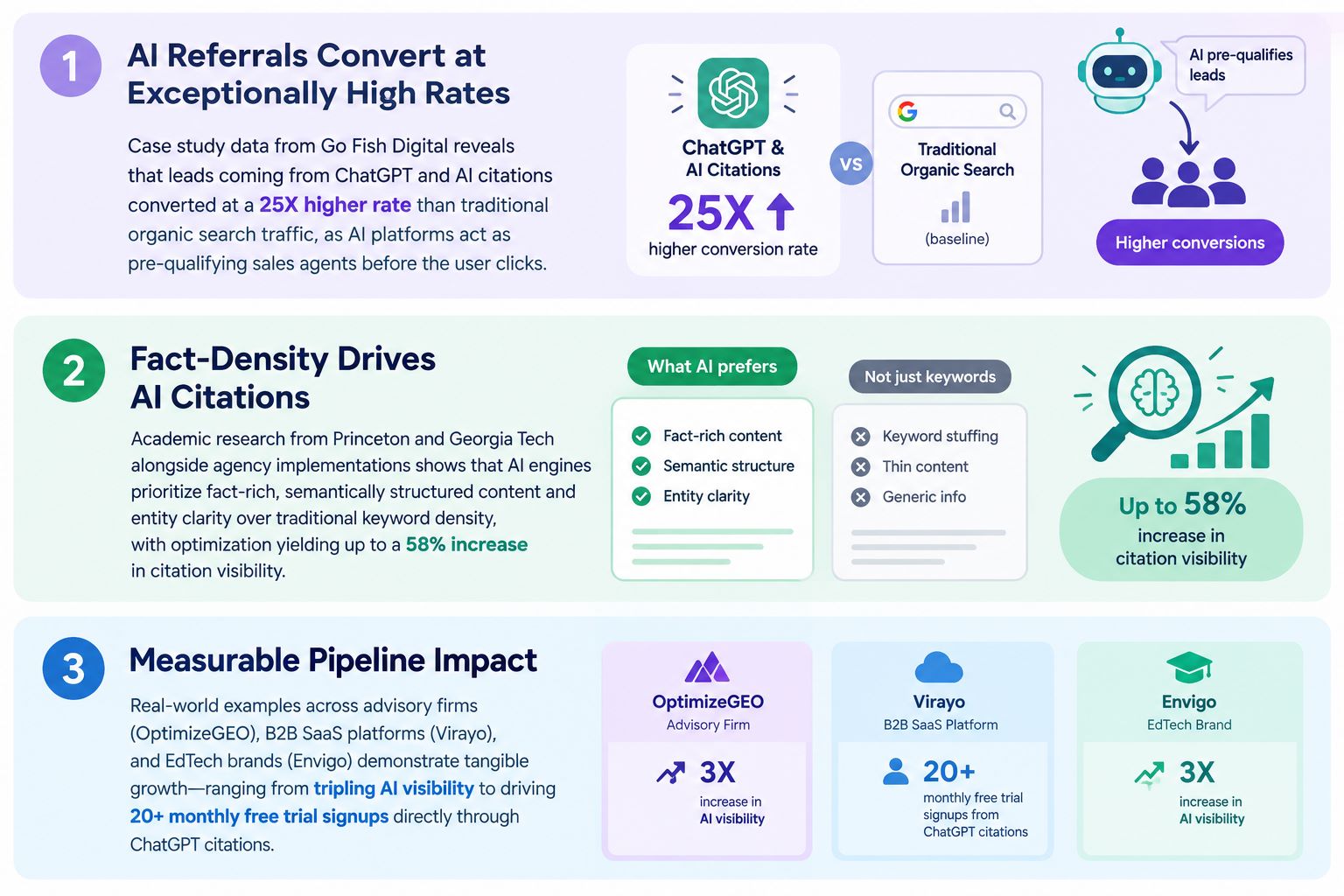
Fewer people are clicking through ten blue links anymore. More of them are just asking an AI and taking the answer it gives them.
That's a real shift for SEO. Ranking on Google still matters, sure — but now you're also trying to become the kind of source an AI trusts enough to quote or reference.
What helps: Stop chasing keywords for their own sake. Write content that genuinely answers the question someone's asking, structure it clearly, and build real authority in your niche — not just around one topic, but across the whole subject area you claim to know.
2. Everyone's Drowning in AI-Generated Content
AI made content creation absurdly fast. Blog posts, captions, ad copy, images — all in minutes. Great, except now the internet is flooded with content that all sounds... the same.
Publishing more isn't the answer anymore. It's arguably part of the problem.
What helps: Treat AI as your assistant, not your voice. Let it handle drafts and grunt work, but make sure the final piece has something only you could add:
● A real experience you've had
● An original example or case study
● Actual data you collected
● An opinion someone can disagree with
● A perspective that's genuinely yours
That's what separates content people remember from content they scroll past.
Case studies
3. Figuring Out What's Actually Working
Someone sees your brand on Instagram, Googles you a week later, browses your site, then messages you on WhatsApp to ask a question. Which channel gets the credit?
This is the mess most marketers are dealing with — attribution isn't clean anymore, and it probably never will be again.
What helps: Set up real tracking (GA4, Google Tag Manager, Search Console, platform analytics — whatever fits your stack) and stop obsessing over vanity numbers. Likes and impressions feel good, but they don't pay bills. Track what does: website visits, leads, form fills, calls, WhatsApp chats, purchases, revenue.
4. Social Algorithms Won't Sit Still
A post that crushed it last month might flop this month, for no reason you did wrong. Platforms tweak their algorithms constantly, and audience habits shift right along with them.
This is one reason Social Media Marketing requires continuous testing instead of simply posting the same type of content repeatedly.
What helps: Don't put all your eggs in one platform's basket. Spread across a few channels, and keep experimenting — short videos, carousels, educational posts, stories, community content. See what your specific audience responds to, not what worked for someone else's.
5. Actually Getting Someone's Attention
You're not just competing with other brands anymore. You're competing with creators, influencers, Netflix, the news, and an endless AI-generated feed. Winning someone's attention for even three seconds is genuinely hard.
What helps: Get to the point immediately. Before anything else, your content should answer:
What is this?
Why should I care?
What do I do next?
A strong hook, something useful in the middle, and a clear next step — that's the whole formula.
6. Earning Trust When Everything Can Be Faked
AI can now generate convincing text, images, video, even voices. Naturally, people are getting more skeptical of what they see online — and that skepticism is only going to grow.
What helps: Let people see the human side of your brand. Behind-the-scenes moments, real customer stories, unfiltered reviews, actual team members, real results — not just polished, perfect content. Sometimes a slightly imperfect, obviously real photo builds more trust than a flawless stock image ever could.
7 Privacy Rules Are Tightening And People Expect It
Marketing runs on data. But people want more control over their information than ever, and regulations are catching up to that expectation.
What helps: Know the privacy rules that apply to your business and region, and use data responsibly. More importantly, stop leaning so heavily on third-party tracking. Build direct relationships instead — your own website, your email list, your community. Channels nobody else can take away from you.
8. Paid Ads Are Getting More Crowded and More Expensive
More businesses are pouring money into Google and Meta Ads than ever. Just running an ad doesn't guarantee anything — competition is pushing costs up and making creative quality non-negotiable.
What helps: Don't just throw more budget at the problem. Fix the whole chain: sharper targeting → better creative → a stronger offer → a landing page that converts → constant testing. And keep an eye on the metrics that actually tell you something — CTR, CPC, conversion rate, CPA, ROAS.
9. The Customer Journey Isn't a Straight Line Anymore
Someone spots your brand in a Reel, Googles it, watches a YouTube review, reads a few customer reviews, then asks an AI chatbot to double-check before finally buying. That's a normal path now, not an unusual one.
What helps: Stop thinking in single platforms. Build a presence where your website, social channels, search visibility, reviews, and ads all reinforce each other — so wherever someone bumps into your brand, the next step feels obvious.
10. There's Just So Much to Learn
Modern marketers are expected to understand SEO, social media, paid ads, content, analytics, AI tools, conversion optimization, and consumer psychology. Trying to master all of it at once is a fast track to burnout.
What helps: Go step by step. Get solid on the fundamentals first, apply them on real projects, measure the results, then branch out. Hands-on experience will teach you more than any certificate ever will.
Quick Habits Worth Building in 2026
Keep learning. Follow a few reliable sources and stay current — this field doesn't reward standing still.
Use AI as a tool, not a shortcut. Let it help you think faster, but always review before you hit publish.
Remember algorithms change, people don't — not as fast. Understand what your audience actually needs.
Add something only you can add. Your experience, your data, your take.
Measure outcomes, not vanity metrics. Traffic, leads, customers, growth — that's the scoreboard that matters.
Invest in your website. It's the one digital asset a platform can't take away from you overnight.
Test constantly. Headlines, creatives, offers, audiences — let the data settle the arguments, not opinions.
The Bottom Line
More technology hasn't made digital marketing easier — if anything, it's raised the bar. AI can speed up the work, but it can't replace strategy, creativity, trust, or genuinely understanding the people you're trying to reach.
The marketers who'll do well in 2026 aren't the ones chasing every new tool. They're the ones who adapt to the technology without losing sight of the humans on the other side of the screen.
Because the goal was never to publish more, run more ads, or use more AI. It's to say the right thing, to the right person, in a way they actually trust — and to be able to prove it moved the needle.
For businesses, that means choosing the right Digital Marketing Services and focusing on useful, trustworthy communication rather than simply producing more content. That's where effective Content Marketing can make a real difference.